
What is Lifestyle Nutrition Coaching?
Lifestyle nutrition consultants provide educational support and general information about daily eating routines, meal planning, and habit building. We focus on helping individuals explore ketogenic-style eating patterns and intermittent fasting schedules as part of their personal lifestyle choices.
Our approach is educational and focuses on building sustainable daily habits. This is not medical advice, diagnosis, or healthcare service.

What is Keto-Style Eating?
Ketogenic-style eating is a dietary routine that emphasizes foods lower in carbohydrates and higher in healthy fats. This approach focuses on choosing whole foods, quality proteins, and nutrient-dense vegetables.
Common food choices include leafy greens, avocados, nuts, seeds, eggs, fish, and quality meats. The routine involves being mindful of carbohydrate intake while maintaining adequate nutrition.
This is general information about an eating style, not personalized nutritional guidance or medical advice.
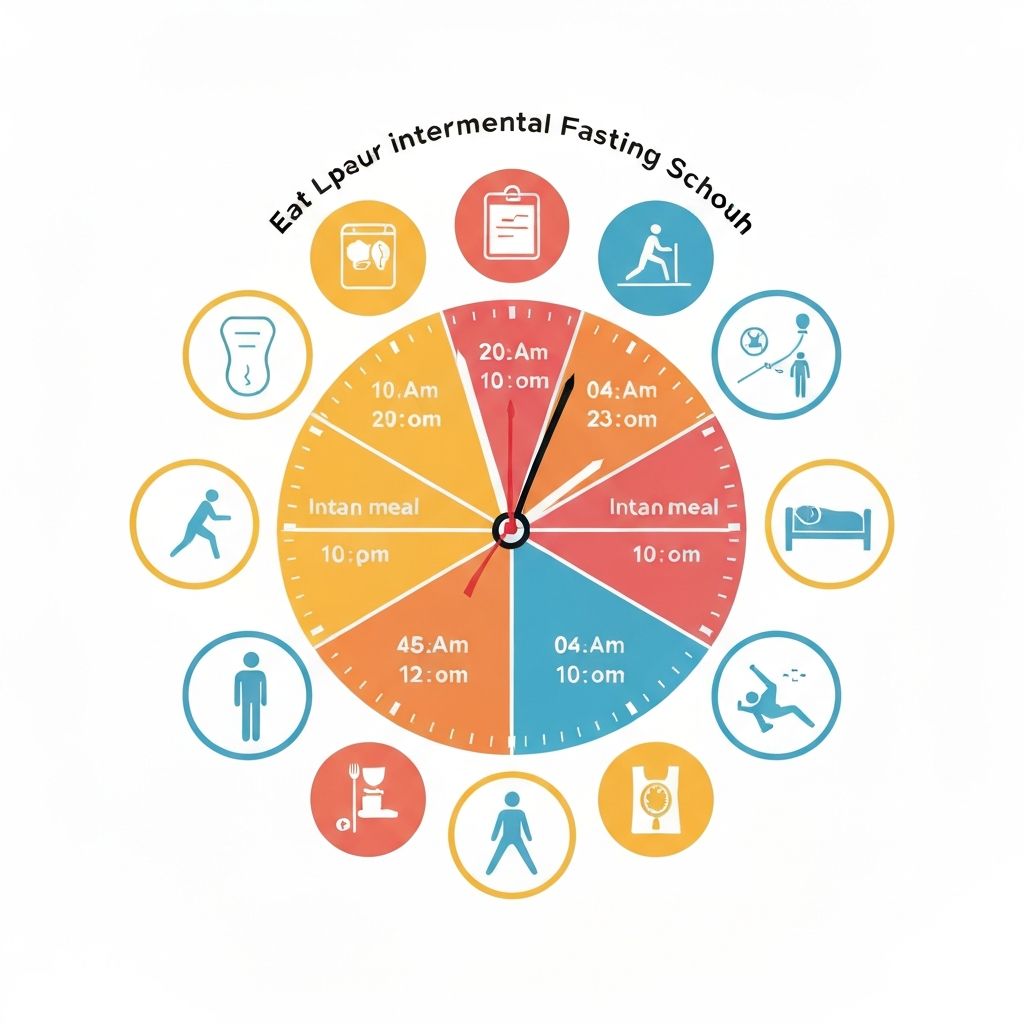
What is Intermittent Fasting?
Intermittent fasting is a routine that involves alternating periods of eating and not eating within a daily or weekly schedule. It focuses on when you eat rather than what you eat.
People may choose various eating windows based on their daily routines and personal preferences. Some common schedule patterns include eating within specific hour windows during the day.
This is general educational information. Individual routines should be chosen based on personal circumstances and comfort.
Common Routine Formats
Daily Eating Windows
Some people choose to eat within a specific timeframe each day, such as an 8-hour window, leaving 16 hours for fasting. Others may prefer different ratios based on their schedule.
Weekly Patterns
Some routines involve alternating days with different eating patterns throughout the week. This might include regular eating days mixed with lighter eating days.
Flexible Approaches
Many individuals create their own schedules based on work, family time, and personal preferences. Flexibility and consistency matter more than rigid rules.
Meal Planning Basics
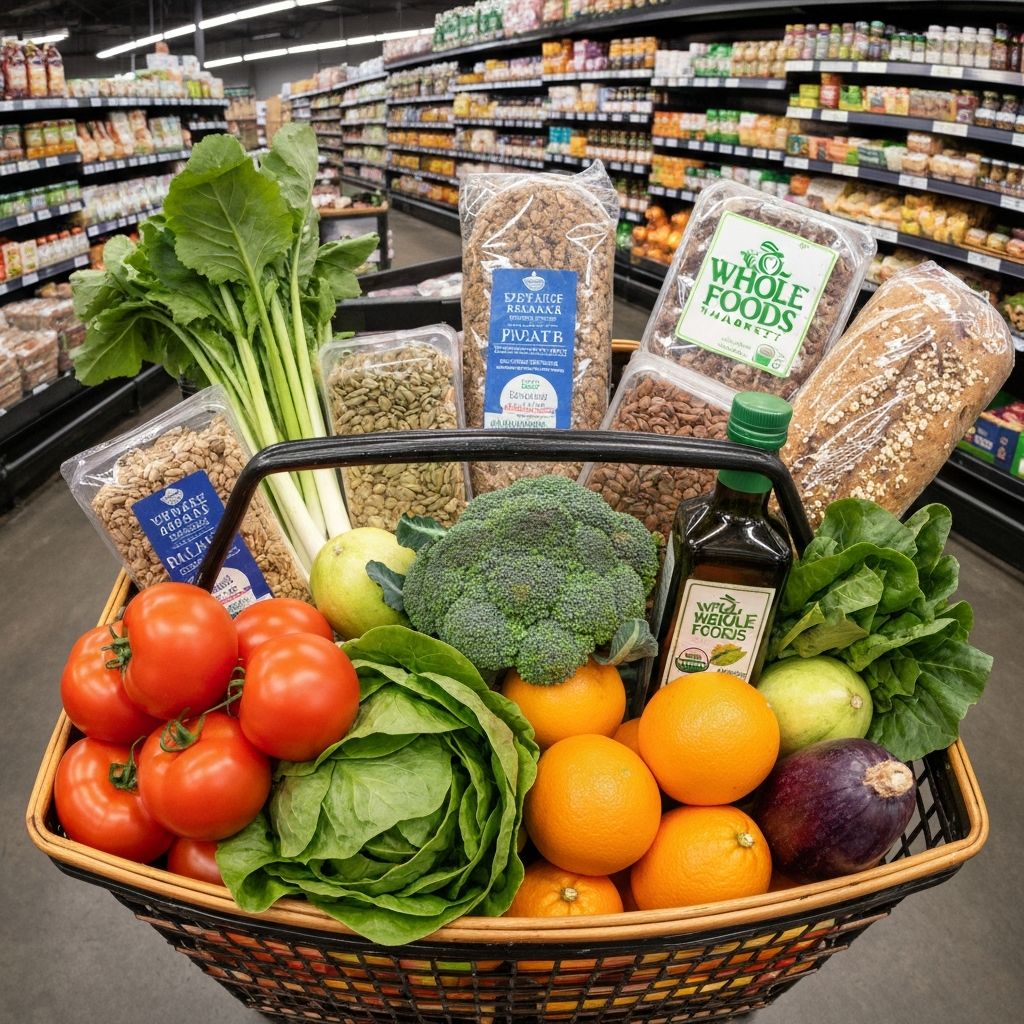
Shopping Tips
Focus on whole foods, fresh vegetables, quality proteins, and healthy fats. Plan your shopping list around the perimeter of the store where fresh items are typically located.
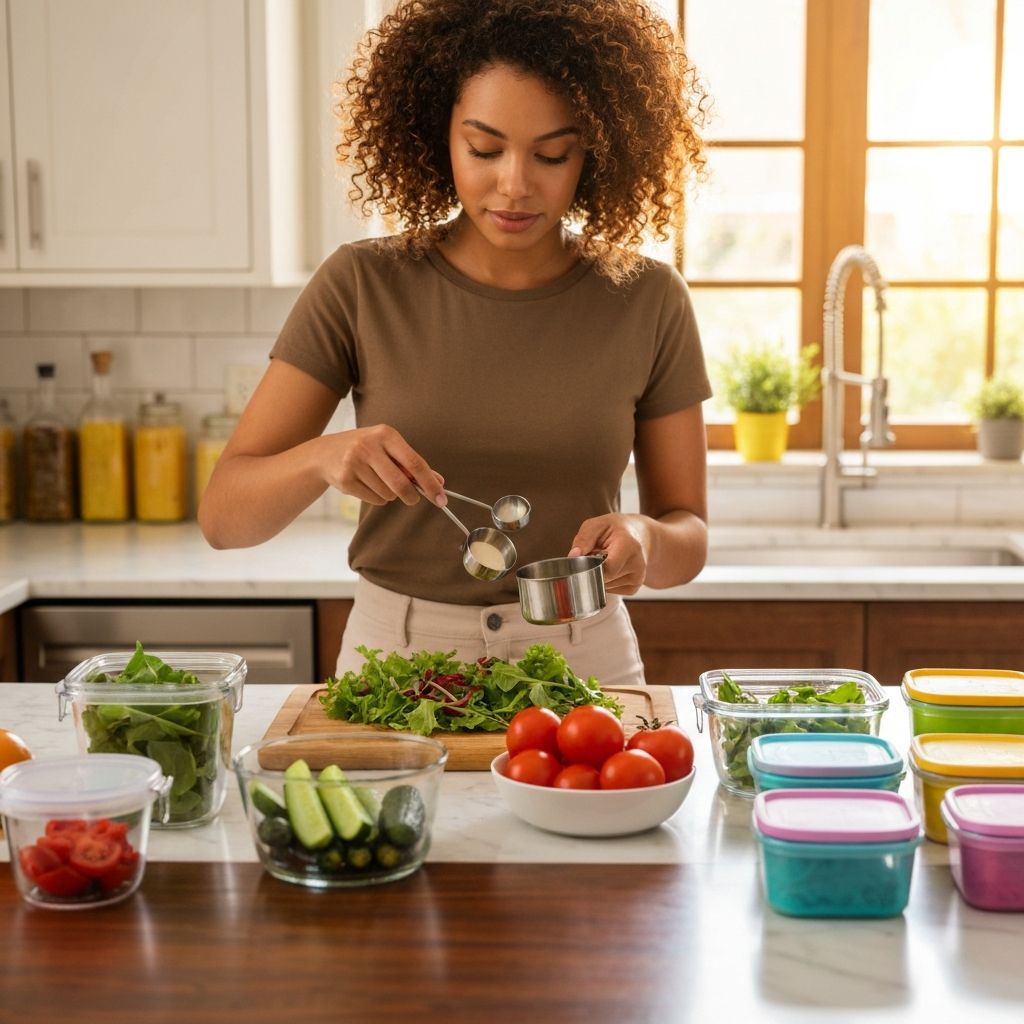
Meal Preparation
Preparing meals in advance can help maintain consistency. Simple cooking methods and batch preparation save time during busy weekdays.

Hydration Habits
Staying well-hydrated is an important part of any daily routine. Water, herbal teas, and mineral water can support your overall hydration needs.
Supporting Daily Habits
Beyond food choices, other lifestyle factors contribute to building sustainable routines.
Sleep Patterns
Regular sleep schedules support overall daily routines. Aim for consistent bedtimes and wake times when possible.
Daily Movement
Incorporating regular physical activity, whether walking, stretching, or other movement, complements eating routines.
Consistency Practice
Building habits takes time and patience. Small, consistent steps often lead to more sustainable long-term routines than rapid changes.
Who Might Explore These Routines?
Individuals interested in learning about ketogenic-style eating and intermittent fasting routines come from various backgrounds. Some are curious about alternative eating patterns, while others seek educational support for building new daily habits.
These approaches may appeal to those looking to explore structured eating schedules, simplify meal planning, or learn about low-carbohydrate food choices as part of their lifestyle.
This information is general and educational. These routines are not suitable for everyone, and individual circumstances vary widely.
Safety and Personal Responsibility
The information provided through our consultation service is educational and for general knowledge purposes. It is not healthcare, diagnosis, or individualized nutritional advice.
Making changes to your eating routine is a personal decision. You are responsible for evaluating whether any routine is appropriate for your individual circumstances.
If you have specific health concerns or questions about how dietary changes might affect you personally, consult with qualified healthcare professionals before making significant changes.
What People Say
The guidance I received helped me understand keto routines better. The educational materials were clear and practical for daily planning.
- Andi, Jakarta
I appreciated the focus on building habits gradually. The consultation provided useful information about meal timing and food choices.
- Siti, Surabaya
Learning about intermittent fasting schedules through this service gave me a better understanding of how to structure my eating window.
- Budi, Bandung
Frequently Asked Questions
What does a consultation include?
A consultation involves educational discussion about ketogenic-style eating routines, intermittent fasting schedules, meal planning basics, and habit-building strategies. It provides general information and guidance on structuring daily eating patterns.
How do I choose an eating window for intermittent fasting?
Eating windows can vary based on your daily schedule, work commitments, and personal preferences. Common approaches include eating within 6-8 hour windows, but individual timing should be chosen based on what feels sustainable for you.
What foods are typical in keto-style eating?
Keto-style routines typically emphasize whole foods including leafy vegetables, avocados, nuts, seeds, eggs, fish, meat, healthy oils, and full-fat dairy. Foods higher in carbohydrates like grains, sugars, and starchy vegetables are typically limited.
Can I maintain these routines while traveling?
Many people adapt their routines during travel by focusing on available whole foods, staying hydrated, and maintaining flexible eating windows. Planning ahead and being adaptable can help maintain consistency.
How long does it take to build consistent habits?
Habit formation varies for each individual. Some people adapt to new routines within weeks, while others may take longer. Consistency and patience are more important than speed.
Ready to Explore Keto and Fasting Routines?
Request a consultation to learn more about building sustainable daily eating habits with educational guidance.
Request a Consultation